
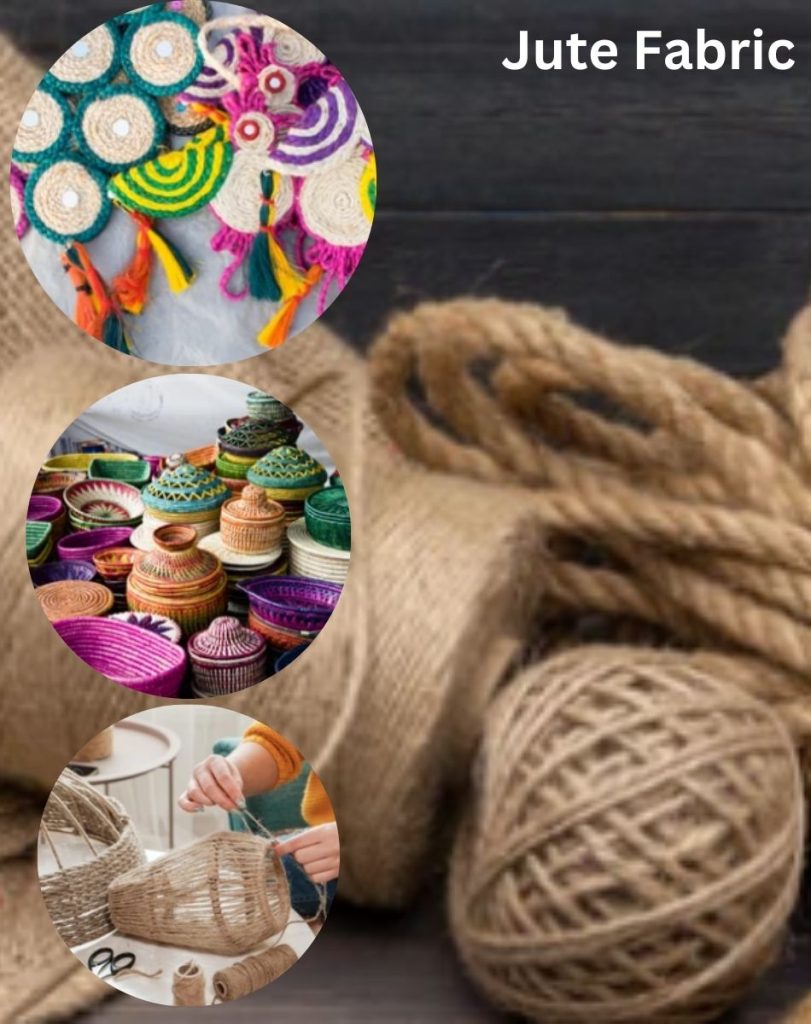
About Jute Fabric
Cotton takes the title of most-created plant-based fiber, however jute is a nearby second. Thusly, jute strands are among the longest regular material filaments on the planet. Jute thrives in warm climates with annual monsoons because it grows in similar conditions to rice. Jute production necessitates an ambient humidity level of approximately 80% because this crop cannot thrive in hard water.
History of Jute Fabric
With the coming of English contribution in India, jute turned into a money crop that aided fuel English frontier endeavors.
Until the late 19th century, jute production remained a significant part of the British Empire’s economy. Even after India gained independence, jute remained a significant export from this region.
Attributes of Jute
All things being equal, jute’s unpleasantness and solidness make it ideal for modern applications. Most kinds of jute texture are free with woven organizations of thick yarn.
While jute retains water promptly, it additionally dries rapidly, and it is profoundly impervious to scraped area and stains.
Most kinds of jute fiber are light brown, yet a few grayish assortments likewise exist.
How Is Jute Fabric Used
Jute fabric, with its natural texture and eco-friendly qualities, finds a variety of applications across different industries. Here are some common uses:
- Home Decor: a touch of rustic charm to home decor items such as curtains, rugs, table runners, placemats, wall hangings, and upholstery.
- Crafts and DIY Projects: is popular among crafters and DIY enthusiasts for making a wide range of handmade items such as coasters, baskets, pot holders, and decorative accents.
- biodegradable geotextile for erosion control, slope stabilization, weed suppression, and soil protection.
These are just a few examples of how versatile jute fabric can be. Its eco-friendly properties, combined with its durability and natural appeal, make it a popular choice for a wide range of products and applications.
How Much Does Jute Fabric Cost
Jute texture is one of the world’s most affordable materials. While craftsman types of jute might be more costly, most kinds of this texture cost around $1 per yard. In comparison to cotton, this cost is significantly less than that of many synthetic fabrics.
Working directly with a jute fabric manufacturer in India, Bangladesh, or another producing nation is the most cost-effective method of purchasing. Adopting this strategy animates the nearby economy, and it engages material makers to beat shady harvest creation standards.