
Introduction
Mobile Marketing is not just a buzzword; it’s a game-changer. In our fast-paced digital world, the small screen holds immense power. People are glued to their smartphones, and that’s where businesses need to be. But what exactly is M-marketing, and why is it crucial for your business? Let’s dive in and explore.
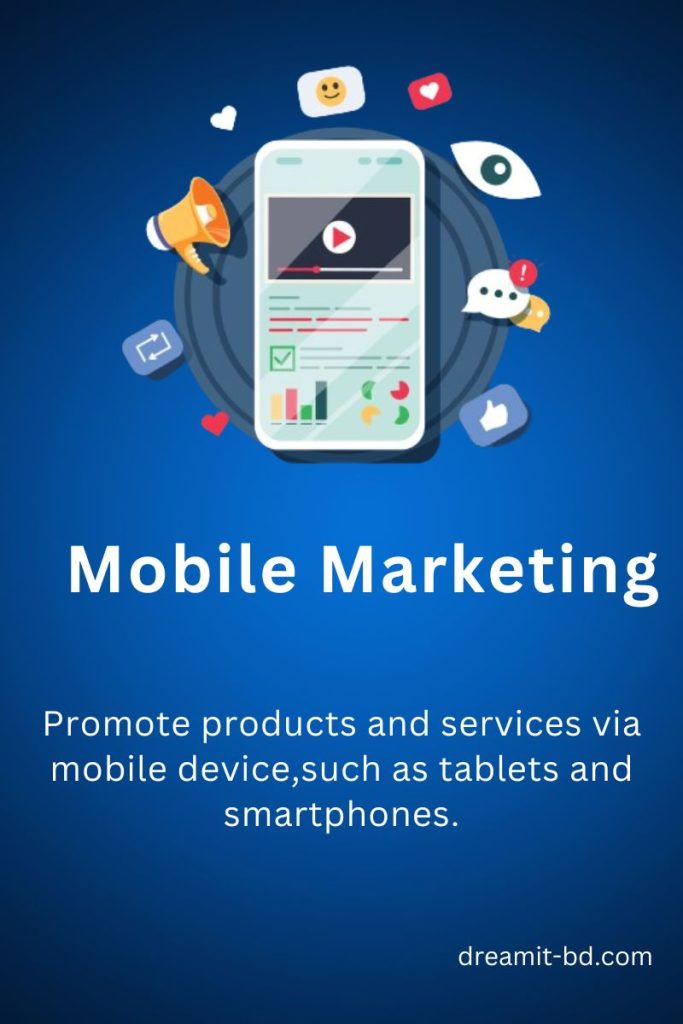
What is Mobile Marketing?
Definition and Scope
M-marketing refers to any promotional activity that targets users on their mobile devices—smartphones, tablets, or any other mobile-connected device. It encompasses various techniques, from SMS and push notifications to in-app advertising and mobile-optimized websites.
Evolution of Marketing of Mobile
M-marketing has come a long way. It started with basic SMS campaigns and has evolved into a sophisticated ecosystem involving apps, mobile websites, and location-based services. The rise of smartphones has transformed M-marketing into a multi-faceted strategy that businesses can’t afford to ignore.
Why M-marketing Matters
Increasing Mobile Usage Statistics
Did you know that more than half of the world’s internet traffic comes from mobile devices? This statistic alone highlights the importance of M-marketing. People use their phones for everything—shopping, socializing, working, and more.
Benefits of Mobile Marketing for Businesses
M-marketing offers numerous benefits. It’s personal, direct, and engaging. You can reach your audience wherever they are and provide timely, relevant content that drives action. Plus, M-marketing tends to have higher engagement rates compared to traditional channels.
Key Components
Mobile-Friendly Websites
If your website isn’t optimized for mobile, you’re losing out. A mobile-friendly website ensures that users have a seamless experience, no matter what device they’re using. It’s all about responsive design and fast loading times.
Mobile Apps
Apps are a fantastic way to engage your audience. They provide a dedicated platform for users to interact with your brand, offering features like personalized content, loyalty programs, and more.
SMS Marketing
SMS marketing is direct and effective. With high open rates, text messages can deliver timely offers and updates straight to your customers’ pockets.
Push Notifications
Push notifications are a powerful tool to re-engage users. They can drive traffic to your app or website and keep your audience informed about new products, offers, or important updates.
In-App Advertising
In-app ads are integrated within mobile apps, offering a non-intrusive way to reach users. These ads can be highly targeted, making them a valuable part of your M-marketing strategy.
QR Codes
QR codes bridge the gap between offline and online marketing. They can be scanned by mobile devices to access websites, apps, or special offers, providing a seamless user experience.
Mobile Marketing Strategies
Mobile Marketing in Personalization
Personalization is key in M-marketing. Tailoring your messages to individual users based on their behavior and preferences can significantly enhance engagement and conversion rates.
Location-Based Mobile Marketing
Location-based marketing leverages GPS technology to deliver personalized content based on a user’s location. This strategy is perfect for local businesses and time-sensitive promotions.
Social Media Integration
Social media and M-marketing go hand in hand. Platforms like Facebook, Instagram, and Twitter offer mobile-specific ad formats that can boost your reach and engagement.
Content Marketing for Mobile
Creating content that’s optimized for mobile consumption is crucial. Short, engaging videos, infographics, and bite-sized articles work best for mobile users who are often on the go.
Creating a Mobile Marketing Plan
Setting Clear Objectives
What do you want to achieve with your M-marketing efforts? Setting clear, measurable objectives is the first step in creating an effective strategy.
Understanding Your Target Audience
Knowing who your audience is and what they want is crucial. Use data and analytics to understand their behavior and preferences.
Choosing the Right Channels
Not all M-marketing channels will suit your business. Choose the ones that align with your objectives and audience preferences.
Budget Allocation
Determine how much you’re willing to invest in M-marketing . Allocate your budget wisely across different channels and strategies to maximize ROI.
Best Practices for Mobile Marketing
Optimizing for Mobile Search
Mobile search optimization is essential. Ensure your content is easily discoverable on search engines, with a focus on local SEO if applicable.
Enhancing User Experience
A smooth user experience is key to retaining mobile users. Ensure your site and apps are easy to navigate, fast, and visually appealing.
Leveraging Analytics
Use analytics tools to track and measure your M-marketing efforts. This data will help you refine your strategies and improve performance over time.
Challenges in Mobile Marketing
Privacy Concerns
Privacy is a significant concern in M-marketing. Be transparent about data usage and ensure compliance with regulations like GDPR.
Ad Blockers
Ad blockers can hinder your M-marketing efforts. Focus on creating non-intrusive, high-quality ads that provide value to users.
Diverse Device Compatibility
With numerous devices and operating systems, ensuring compatibility can be challenging. Test your campaigns across various devices to ensure a consistent experience.
Future Trends in Mobile Marketing
5G Technology
The advent of 5G will revolutionize mobile marketing. Faster internet speeds and lower latency will enable more interactive and immersive experiences.
Augmented Reality (AR)
AR is set to transform mobile marketing. From virtual try-ons to interactive ads, AR offers unique ways to engage users.
Artificial Intelligence (AI)
AI is already making waves in mobile marketing, from chatbots to personalized recommendations. Its role will only grow in the future.
Case Studies of Successful Mobile Marketing Campaigns
Case Study 1: Starbucks
Starbucks uses its mobile app to offer personalized rewards and promotions, driving customer loyalty and repeat business.
Case Study 2: Nike
Nike’s app integrates fitness tracking with personalized product recommendations, enhancing user engagement and brand loyalty.
Case Study 3: Coca-Cola
Coca-Cola’s mobile marketing campaigns often leverage QR codes and AR to create interactive and engaging experiences for users.
Tools and Resources for Mobile Marketing
Google Analytics
Google Analytics offers valuable insights into your mobile traffic and user behavior, helping you optimize your strategies.
HubSpot
HubSpot provides comprehensive mobile marketing tools, including SMS marketing, push notifications, and analytics.
SEMrush
SEMrush is an excellent tool for keyword research and competitive analysis, crucial for mobile SEO.
Mobile Ad Networks
Networks like AdMob and InMobi help you reach a broader audience through mobile-specific ad placements.
Measuring Mobile Marketing Success
Key Performance Indicators (KPIs)
Identify KPIs such as click-through rates, conversion rates, and app downloads to measure the success of your campaigns.
Tracking and Reporting
Regular tracking and reporting are essential. Use analytics tools to monitor performance and adjust your strategies accordingly.
Mobile Marketing for Small Businesses
Cost-Effective Strategies
Small businesses can benefit from mobile marketing through cost-effective strategies like SMS marketing and social media ads.
Local SEO
Local SEO is crucial for small businesses. Ensure your business is listed on Google My Business and optimize your content for local
Visit our website to know more about Social Media Marketing Topic